A father’s unyielding spirit: Masud’s stall
Masud is raising his disabled son alone. A donation from AKWO strengthened his chotpoti business and gave the household a steady income.
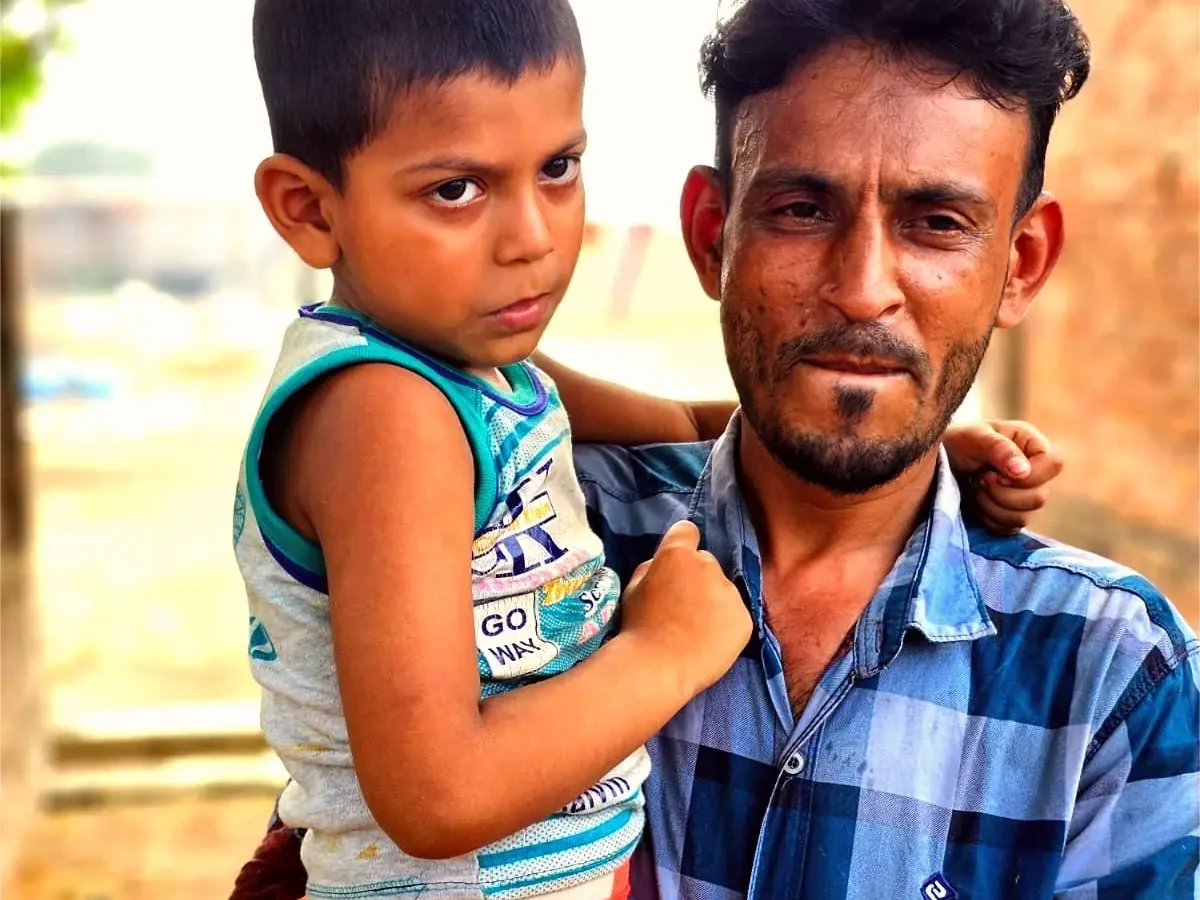
Masud, a father with no wife, is raising his only disabled son alone. With support from Abul Khair Welfare Organization he received a donation to strengthen his chotpoti business and secure a stable future. His resilience inspires us all.
A household with one pair of hands
A single parent caring for a disabled child has less of everything than any other household we work with: less time, less mobility, and far fewer hours in which paid work is even possible. Masud cannot take day labor that would keep him away from home, which rules out most of the work available here.
Why the stall
A chotpoti stall fits around a child. It can be set up and closed down quickly, it needs no premises, and it earns on the days it trades rather than at the end of a month. Strengthening a business Masud was already running was a far better use of a grant than starting something new that would have taken him away from his son.
What the grant covered
Equipment and working capital: the things that let a small food business trade at a scale that actually earns. As with all our livelihood grants it was one-off and outright, with nothing to repay.
Why we publish this
Because it is a fair test of the program. Masud's household will not become wealthy, and we would not claim it. What has changed is that its income is now regular and its own, which for a father in his position is the difference that matters.
Why this counts as a livelihood grant
Because what was missing was working capital, not effort or skill. Masud was already trading; what he could not do was hold enough stock or equipment to earn at a scale that supported the household. A one-off grant against exactly that gap is the whole design of the program, and it is why the grants are given outright rather than lent.
Disability and household income
Caring for a disabled child in a rural household falls almost entirely on the family, and in a single-parent household it falls on one person. There is no respite care to buy and very little formal support to apply for. What that means in practice is that the parent's earning capacity is capped by how far and how long they can be away from home, and no amount of willingness changes it.
Our own objectives include vocational training for disabled people so that self-employment becomes possible, and that work has not started. Until it does, supporting the household's existing trade is the most useful thing we can do for a family in Masud's position, and we would rather say that plainly than describe a small grant as more than it is.
His story is published here with his agreement.
Facts at a glance
- Support
- One-off grant for equipment and stock
- Outcome
- Regular income from the family's own trade
Support our Livelihood work
One asset, given once, to a household with no capital at all. A goat, a stock of medicines, a stall. After that the household is on its own, which is the point.
Registered with the Ministry of Social Welfare, Government of Bangladesh · Reg No. Brahman 615/24
Read next
 Success Stories
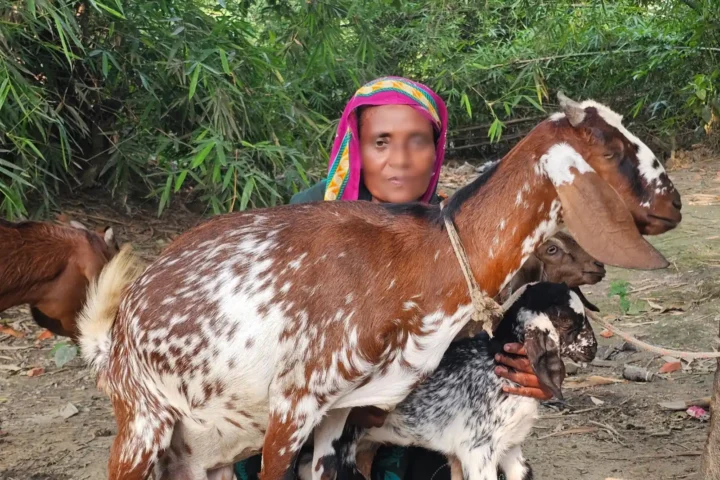
Success Story: One Goat, and Jharna Begum’s Fresh Start
In 2022 Jharna Begum of Khan Bari, Hajir Hati was given a single goat under AKWO's self-reliance project. She now keeps six.
 Success Stories
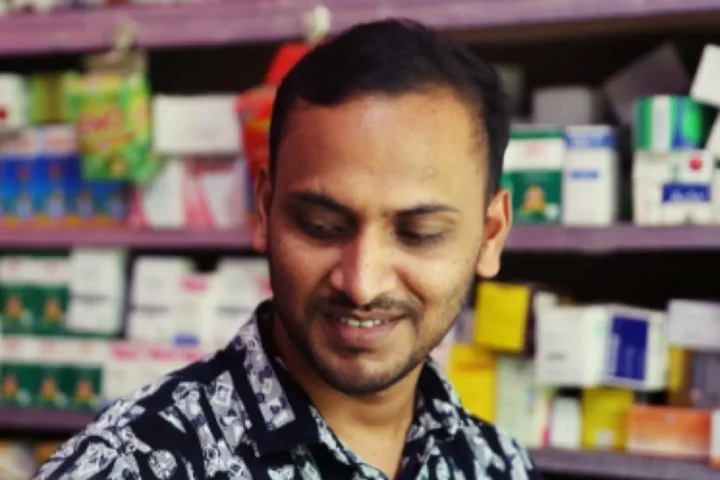
Overcoming adversity: Anhar’s pharmacy
Anhar became self-reliant by opening his own pharmacy with a small one-off grant from Abul Khair Welfare Organization.
