Skip to content
+88 01768 003 747Free clinic every Friday 10:00–14:00Facebook(opens in a new tab)ENবাংলা
Donate
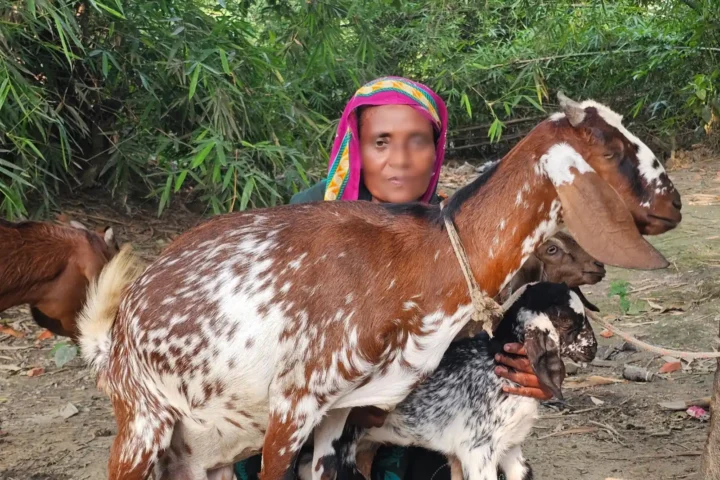
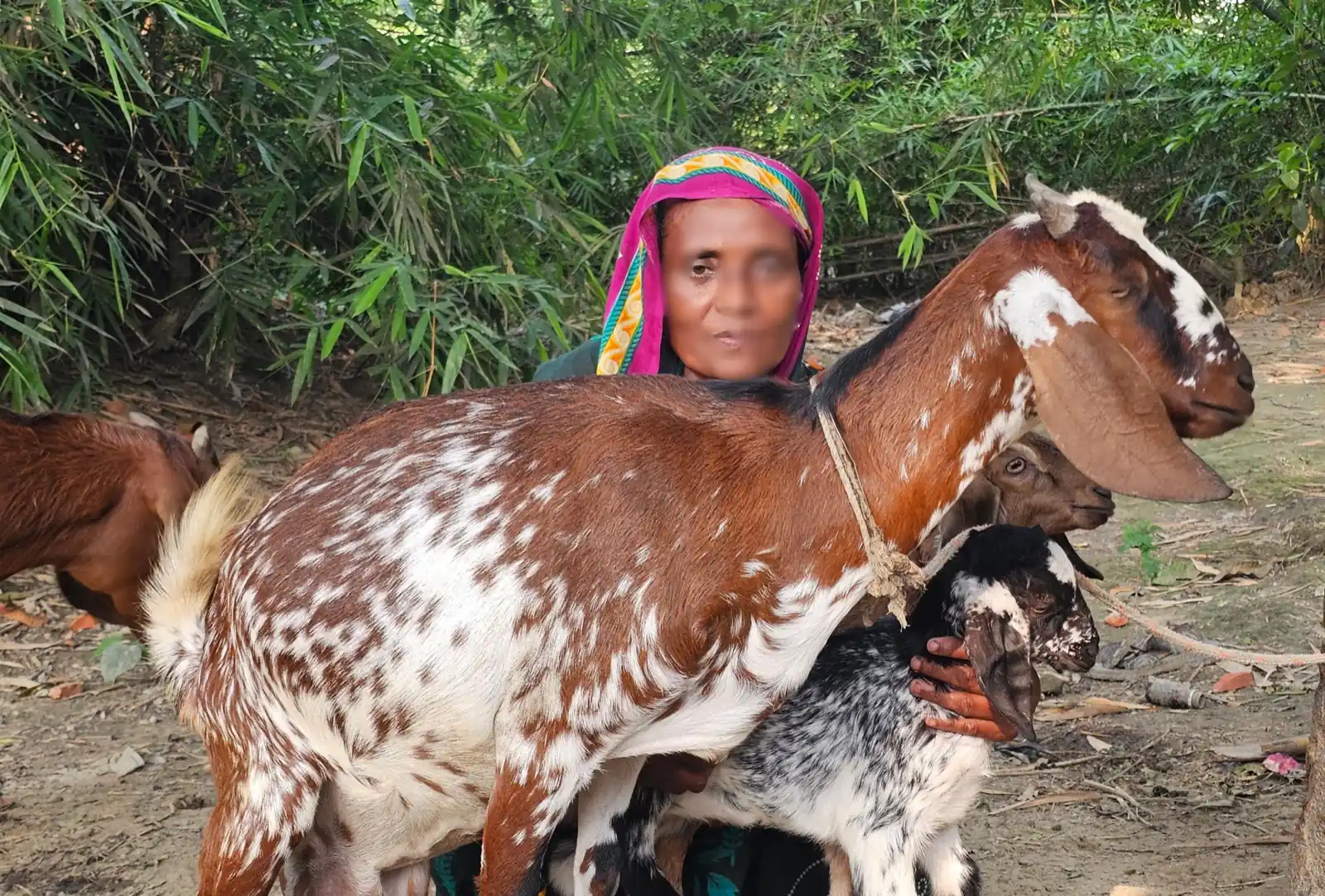
Jharna Begum holds two of the goats she has raised from the single animal AKWO gave her in 2022

Programs

Livelihood

One asset, given once, to a household with no capital at all. A goat, a stock of medicines, a stall. After that the household is on its own, which is the point.

How the self-reliance grants work

Relief keeps a household alive through a bad month. It does not change what happens in the next bad month. The self-reliance grants exist for the households where the missing thing is not food but capital: any asset at all that can produce an income.

Under the 2022 self-reliance project we gave livestock to families with nothing to start from. Elsewhere we have funded a stock of medicines for a pharmacy and equipment for a food stall. The grants are one-off, modest, and given outright. There is no loan, no interest and nothing to repay, because a debt is the last thing these households need.

What we ask in return is that the recipient keeps in touch so that we can record honestly what happened, including when it goes wrong. Jharna Begum lost three goats to disease before her herd grew. We publish that too.

Three households

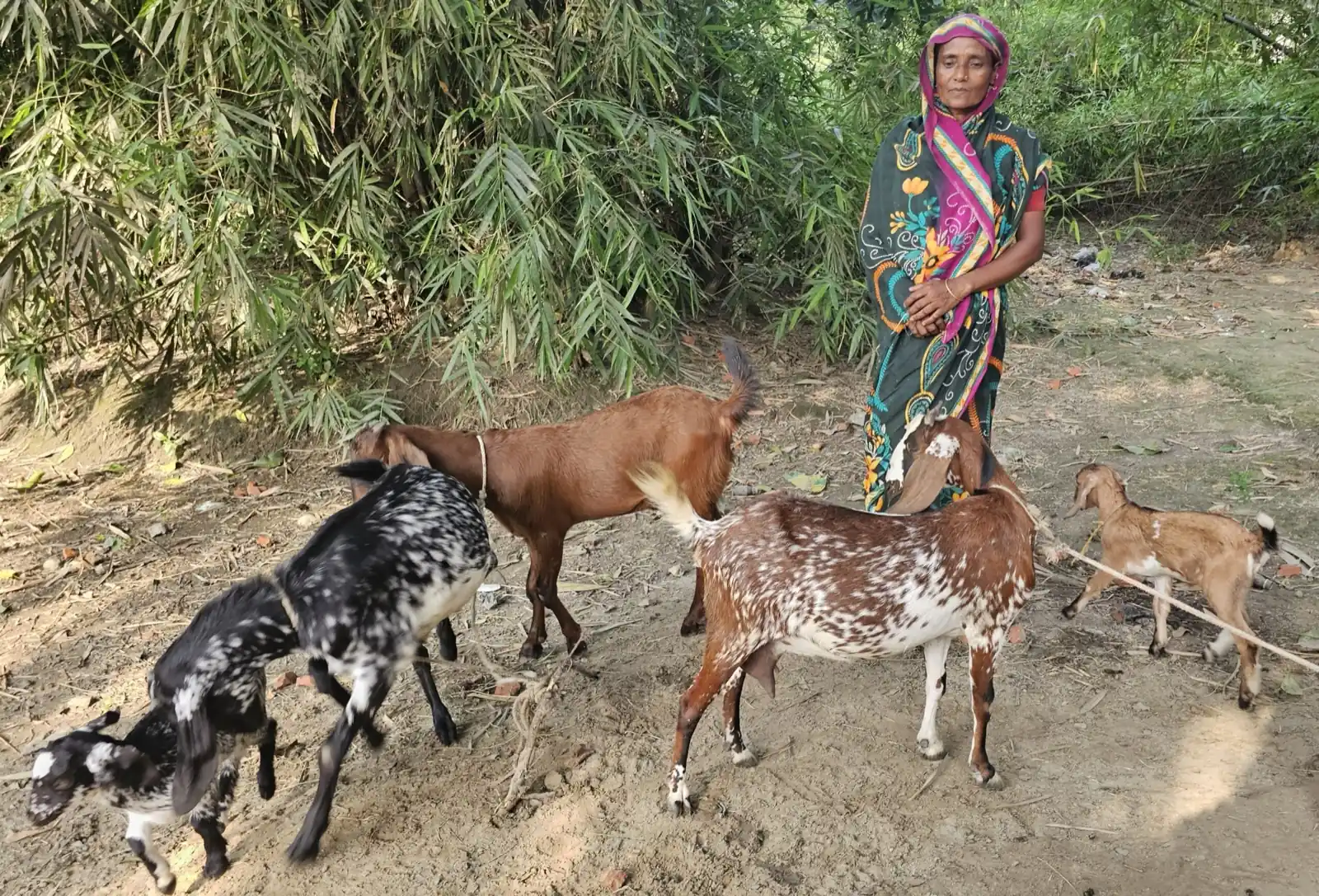
Jharna Begum stands with her herd of goats at Hajir Hati, Nabinagar

Jharna Begum, Khan Bari, Hajir Hati

Given one goat under the 2022 self-reliance project at the age of 57, with no capital of her own. She lost three animals to disease and kept going. She now has six goats including kids, has sold three to meet household needs, and plans to sell two full-grown ones to buy a cow.
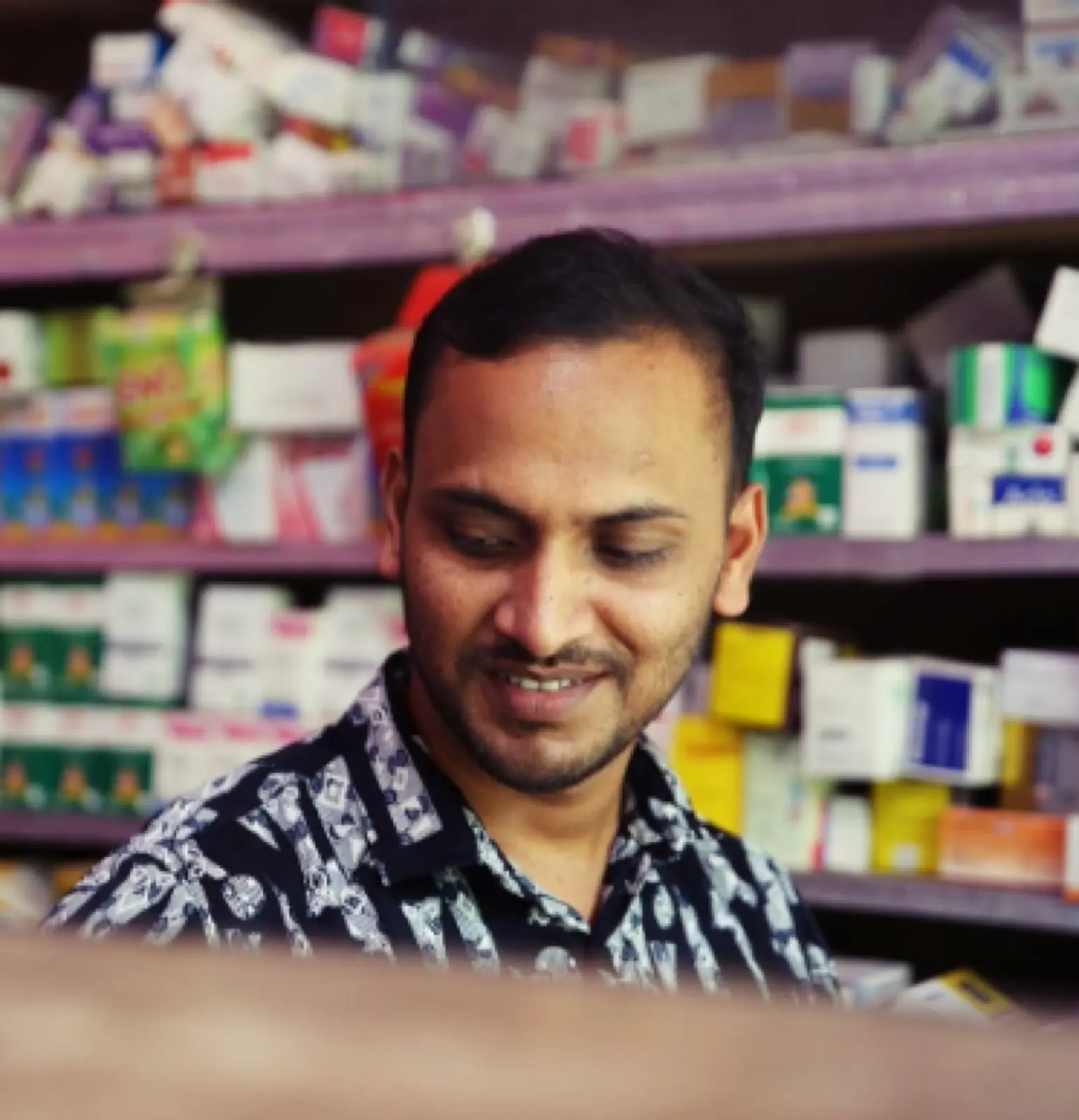
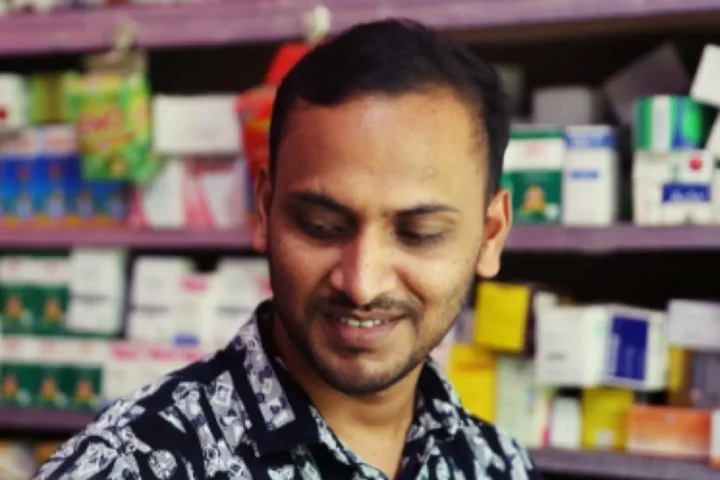
Anhar behind the counter of the pharmacy he opened with a small grant from AKWO

Anhar, pharmacy owner

A beneficiary of Abul Khair Welfare Organization who has become self-reliant by starting his own pharmacy business with our small assistance. The grant was one-off and modest; the shop and its customers are his.

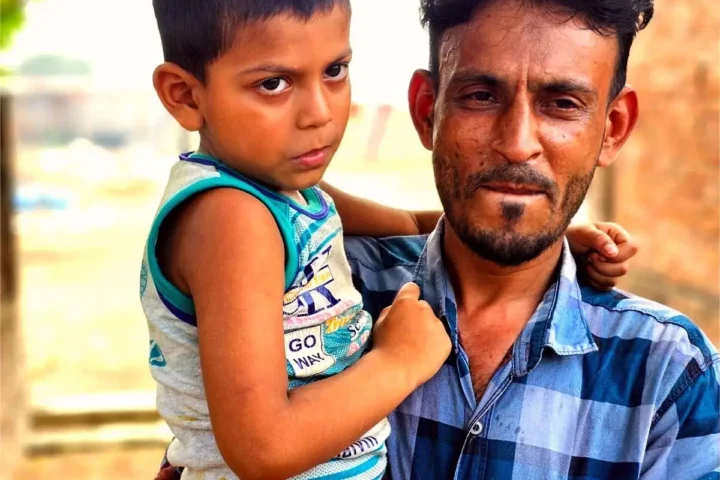
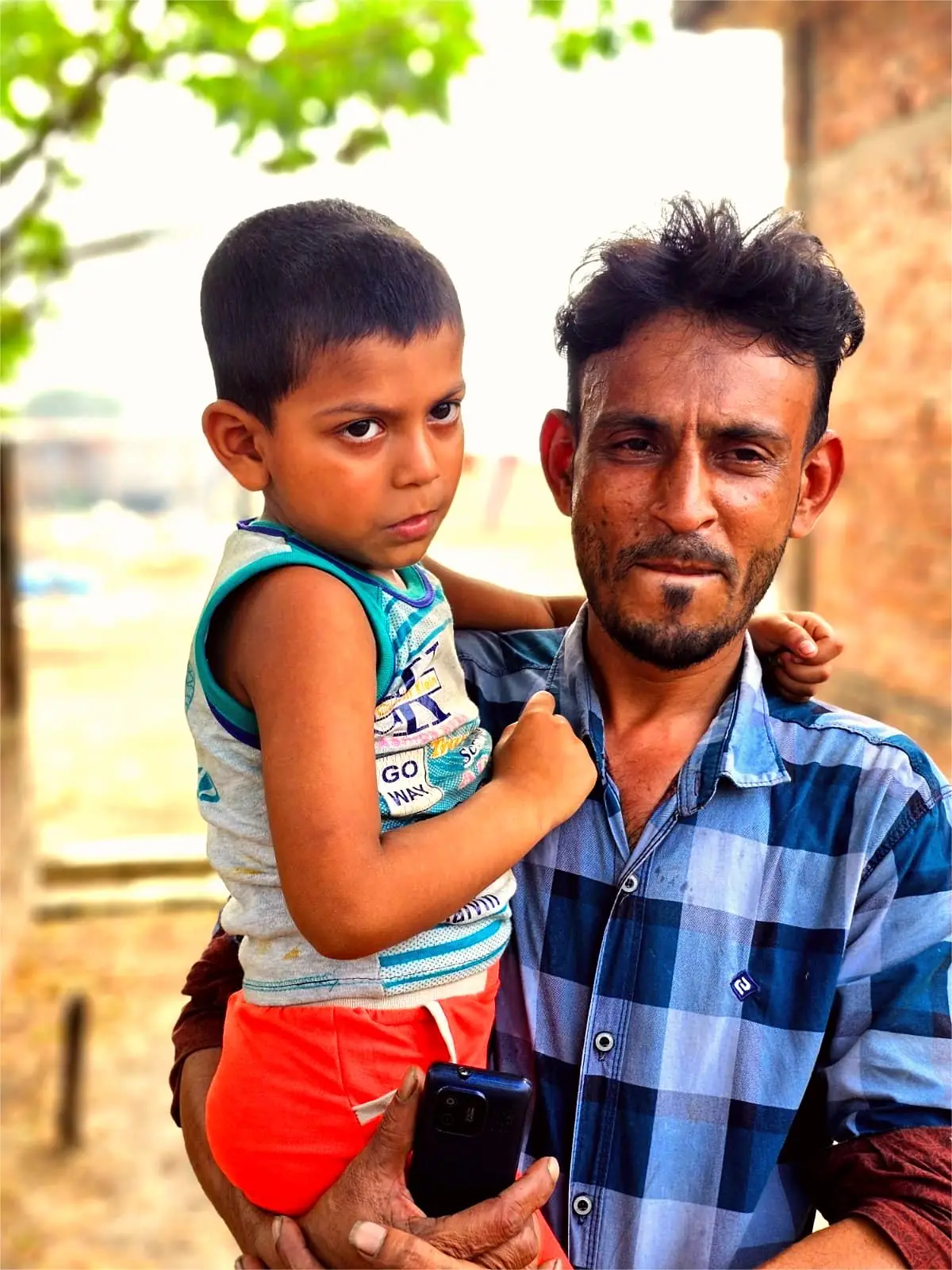
Masud holds his son outside their home in Nabinagar

Masud, chotpoti seller

A father with no wife, raising his only disabled son alone. With support from Abul Khair Welfare Organization he received a donation to strengthen his chotpoti business and secure a stable income for the household.

How we choose households

Livelihood grants go to households that are already known to us, usually through the clinic register or a relief distribution, and that have three things: somebody able to work, a skill or knowledge that the asset fits, and no capital at all. The third condition is what separates this program from ordinary relief.

We do not lend and we do not ask for repayment, so there is no schedule to default on and no reason for a household to conceal a bad year. What we do ask is that the family stays in contact, so that we can record what actually happened, including the losses.

What we have learned

Three things, from the households we have followed. The asset has to be one the family already knows how to look after, which is why goats work here and unfamiliar equipment does not. The grant has to be large enough to be viable on its own, because half an asset produces nothing. And the family needs somewhere to turn when the animal falls sick or the stock spoils, which is why we stay in contact rather than closing the file.

Jharna Begum's account puts it more simply than we can: a little help at the right moment is enough for a person to change their own fortune.

Why the grants are one-off

Because a household with no capital does not need a debt, and because a repayment schedule turns an organization that is trying to help into a creditor the family has to avoid. Giving the asset outright costs us more per household and produces far better records, since a family with nothing to hide tells you honestly when three animals have died.

Jharna Begum's recovery is a clear demonstration of what a little help, given at the right moment, can do to change the course of a person's life.

Success story: Jharna Begum's goatsAKWO, April 2026

How many grants

The number of livelihood grants made since 2022, and the number of households still trading, is being compiled from the project register: number of livelihood grants made since 2022 and how many households are still trading

Success stories

Fund one household's start

A single animal, a stock of medicines or a stall is the whole of what most of these families ever asked for.

Registered with the Ministry of Social Welfare, Government of Bangladesh · Reg No. Brahman 615/24