Basic education
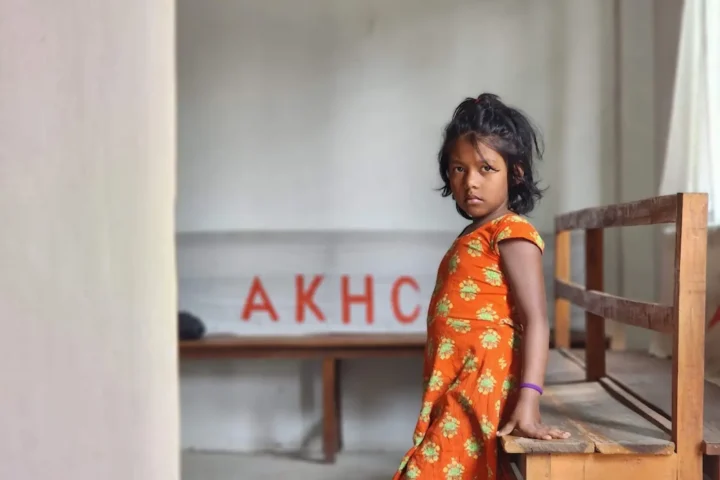
A public education center giving basic education to underprivileged children and adolescents in the area, alongside sports activities.
About
From one health camp under the mango trees at Pirbari in 2019 to more than 70,000 patients treated. This page keeps the account written by the organization itself, corrected only for spelling.
The distinguished individual of this region is A.K. Rafiqul Hussain, known as “Khair Mia Sab,” a legendary and highly respected personality in the area. In honor of his name, his capable son, Moyeedul Hussain Marshal, initiated this noble effort to improve the lives of people in the region, focusing on development, education, healthcare, and infrastructure.
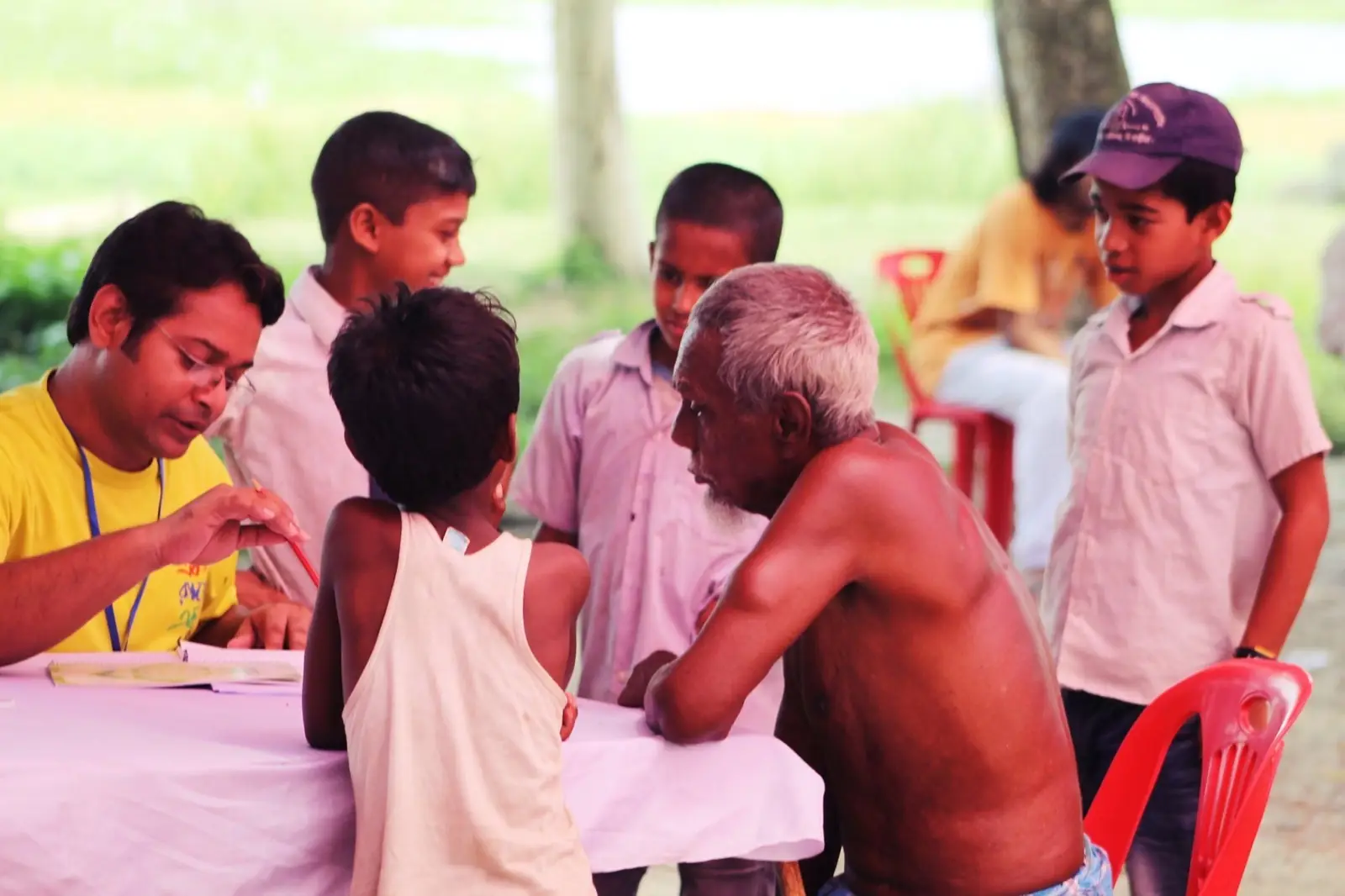
On Monday, June 6, 2019, the first health camp was organized in the serene environment of Pirbari in Uttar Lakshmipur Hajir Hati village, surrounded by green shade from mango and guava trees. This marked the beginning of the “Abul Khair Welfare Organization” providing services to the region. On July 4, with the cooperation of the government-registered development organization “Ek Ronga Ek Ghuri,” the inauguration of the “Abul Khair Health Care” (AKHC) project took place in a joyful atmosphere, with the presence of doctors, nurses, volunteers, and respected community members.
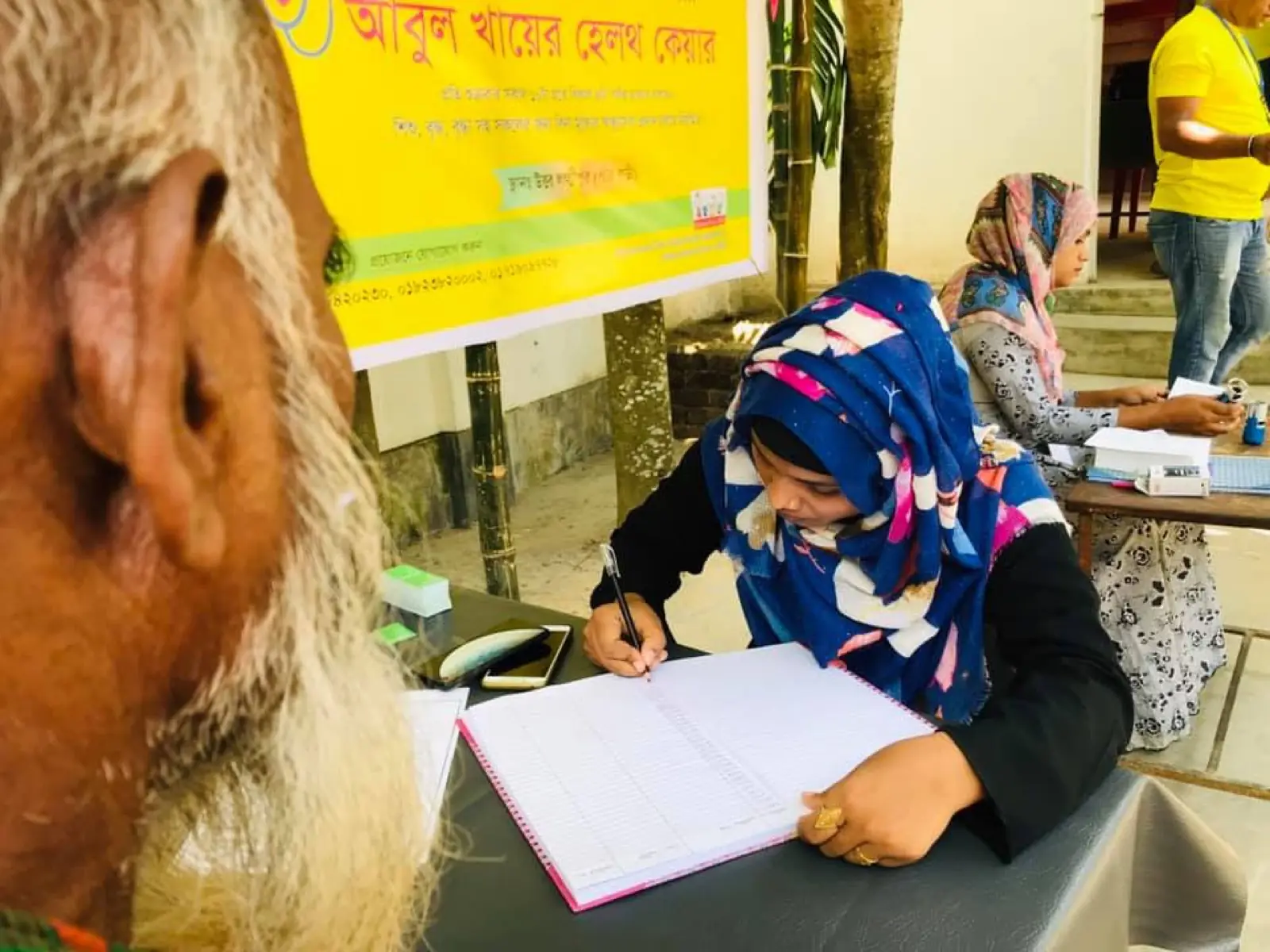
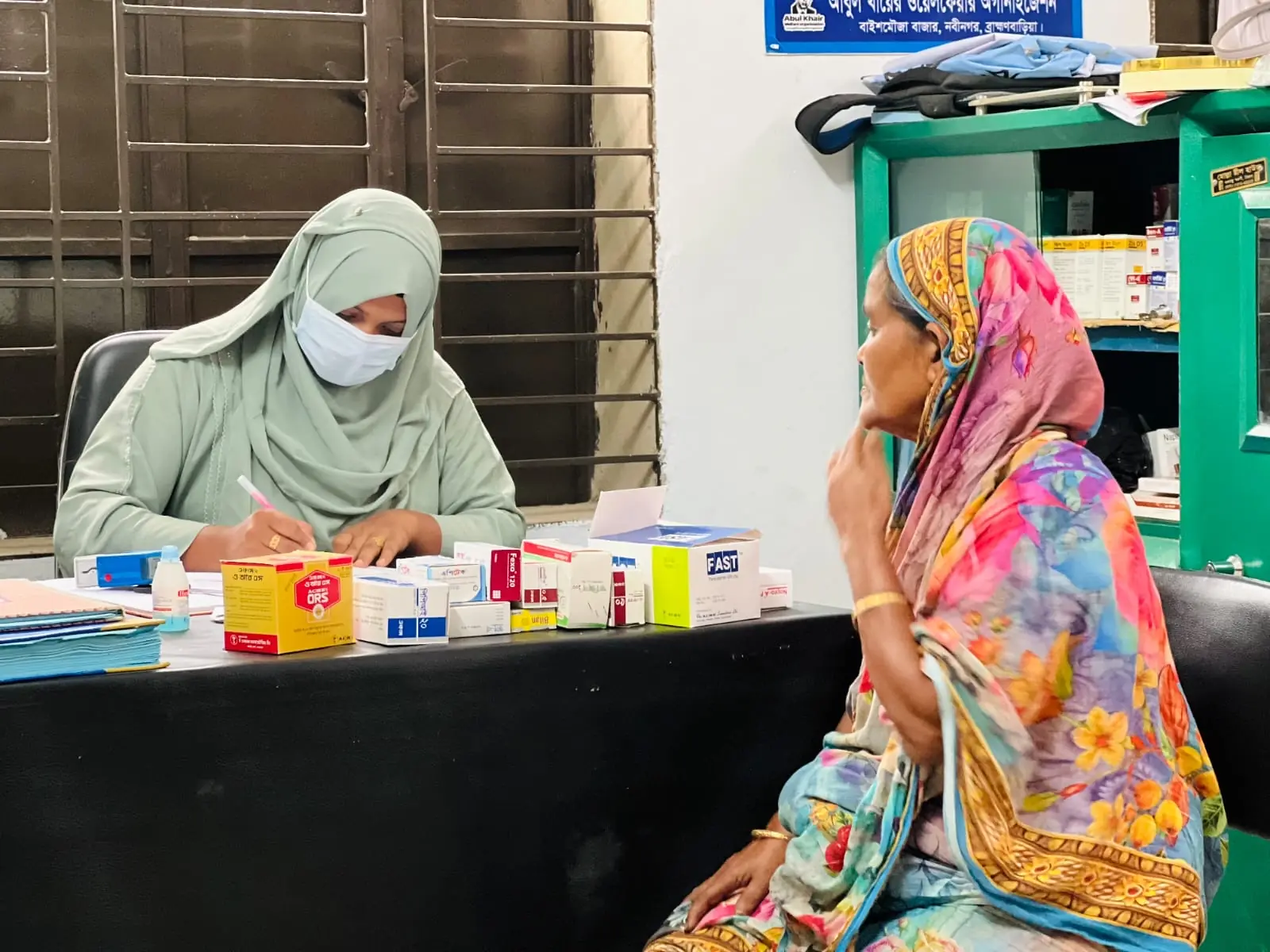
Since then, a team of two specialist doctors has been providing prescriptions and urgent medicines every week at the traditional Baishmouja Bazar office. Over the past five years, the organization has provided healthcare to nearly 44,000 people. Additionally, it has been providing IT training to students, offering support programs, and constructing an academic building at Uttar Lakshmipur High School, which will include vocational education facilities.
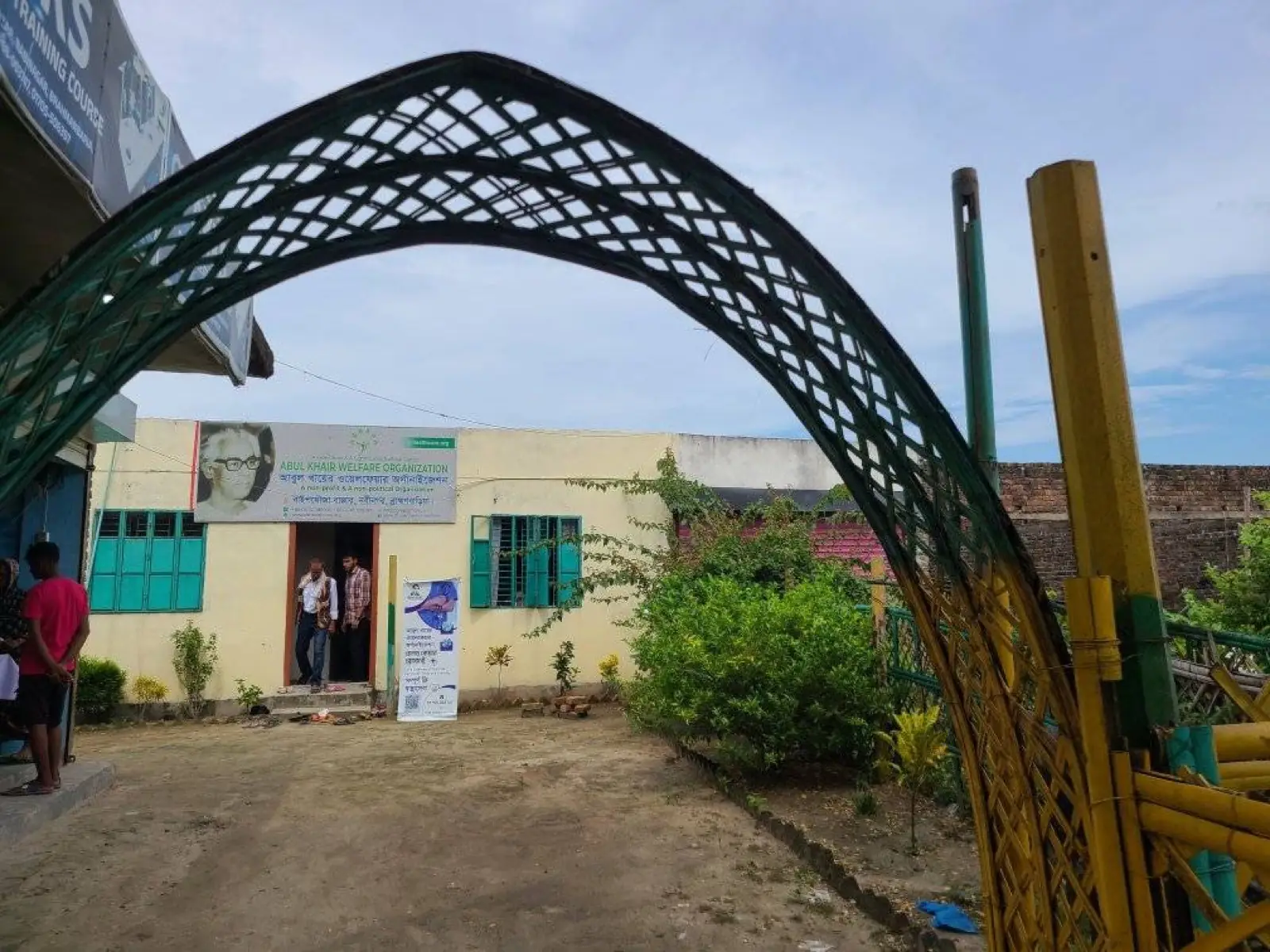
The Abul Khair Welfare Organization has made significant contributions to various social and voluntary activities in the villages under the Brahmanbaria district's Nabinagar Upazila, specifically in the Krishnanagar Union.
Each entry below is drawn from a report, a post or a distribution list held by the organization.
Held at Uttar Lakshmipur Hajir Hati village in the shade of mango and guava trees. This is the date the organization counts as its beginning.

Opened in cooperation with Ek Ronga Ek Ghuri, with doctors, nurses, volunteers and community members present. Weekly clinics at Baishmouja Bazar began immediately afterwards.
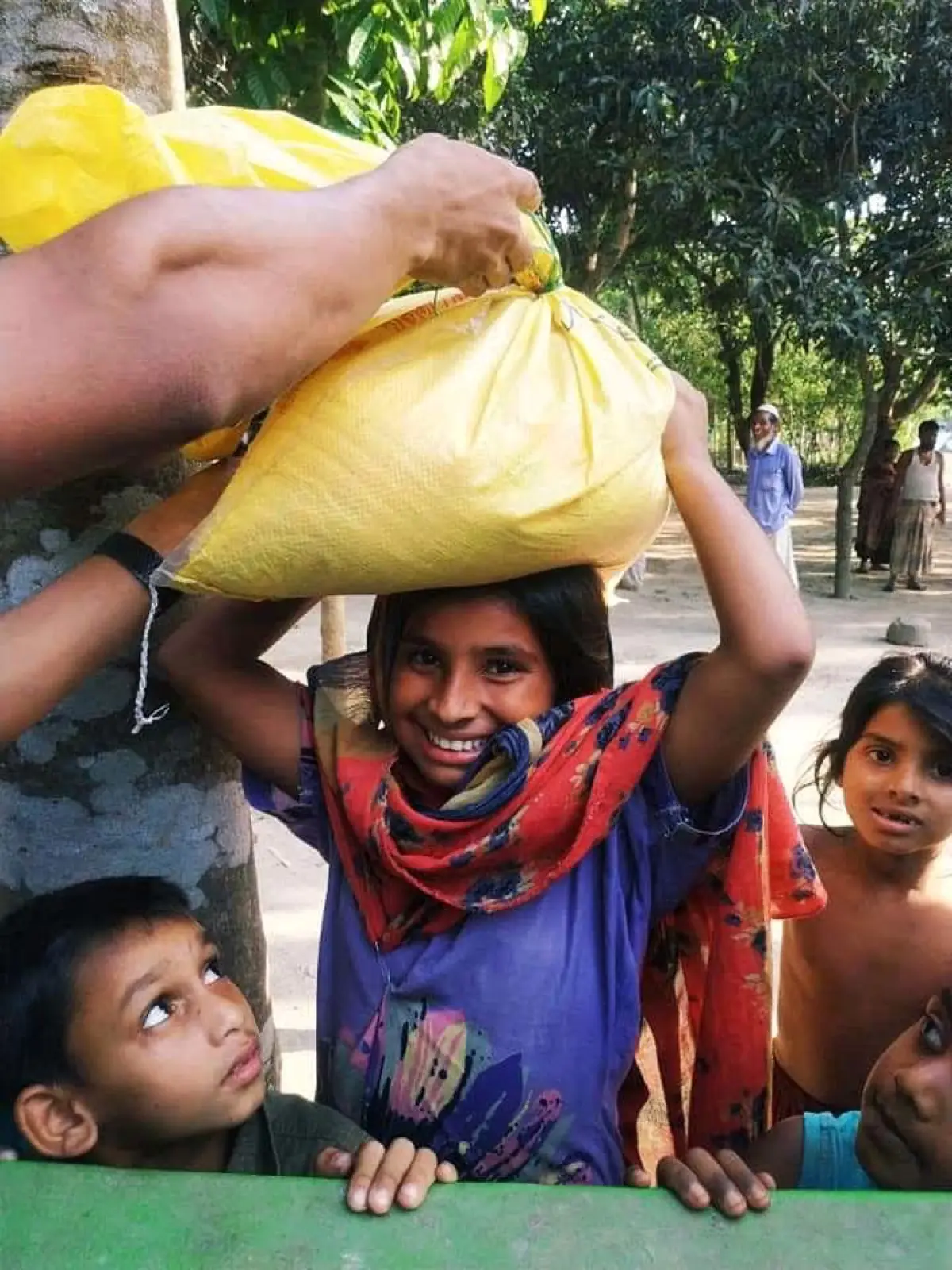
Emergency food and medication went to 800 families during the pandemic lockdowns, when day labor and market work stopped.
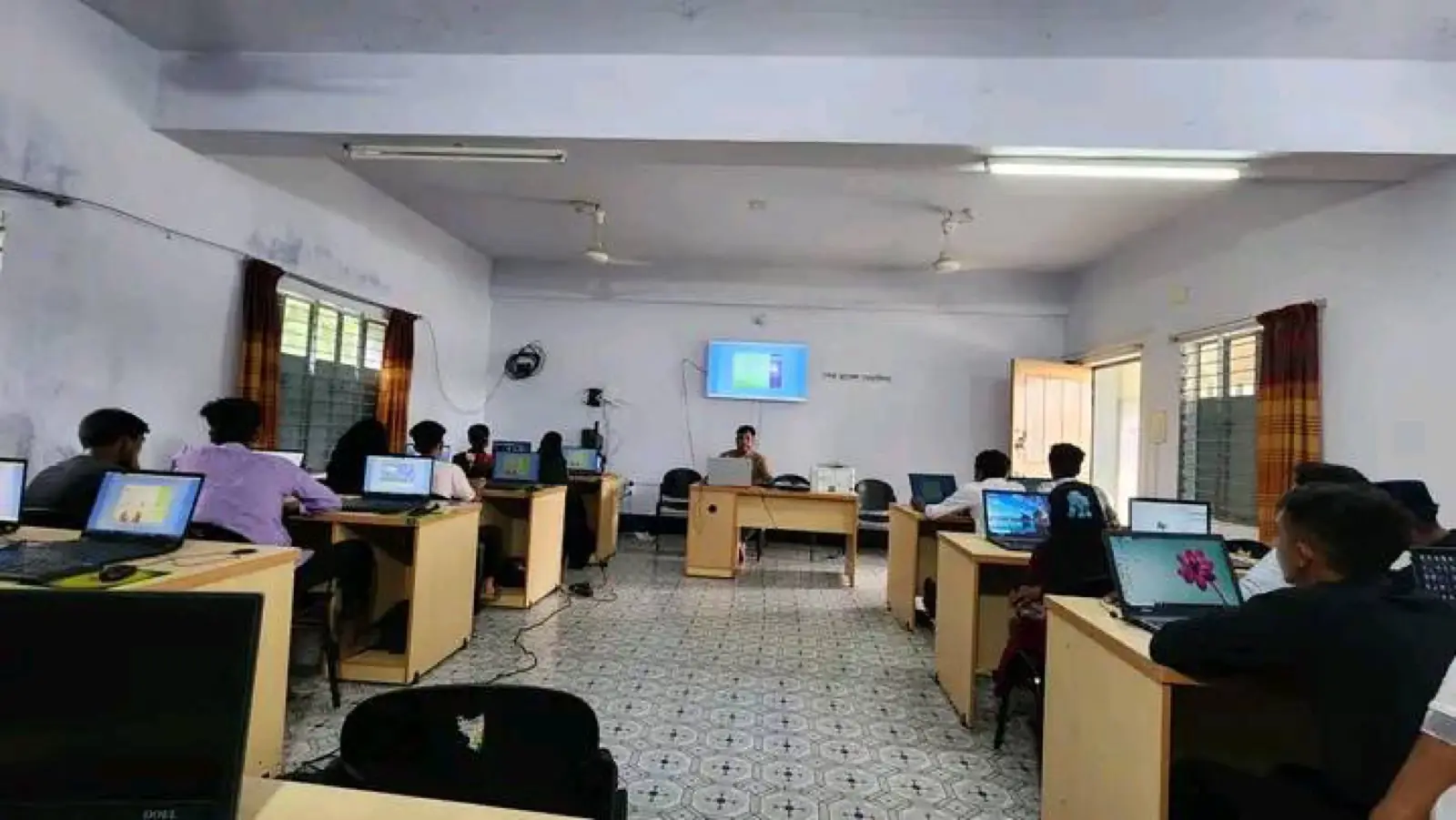
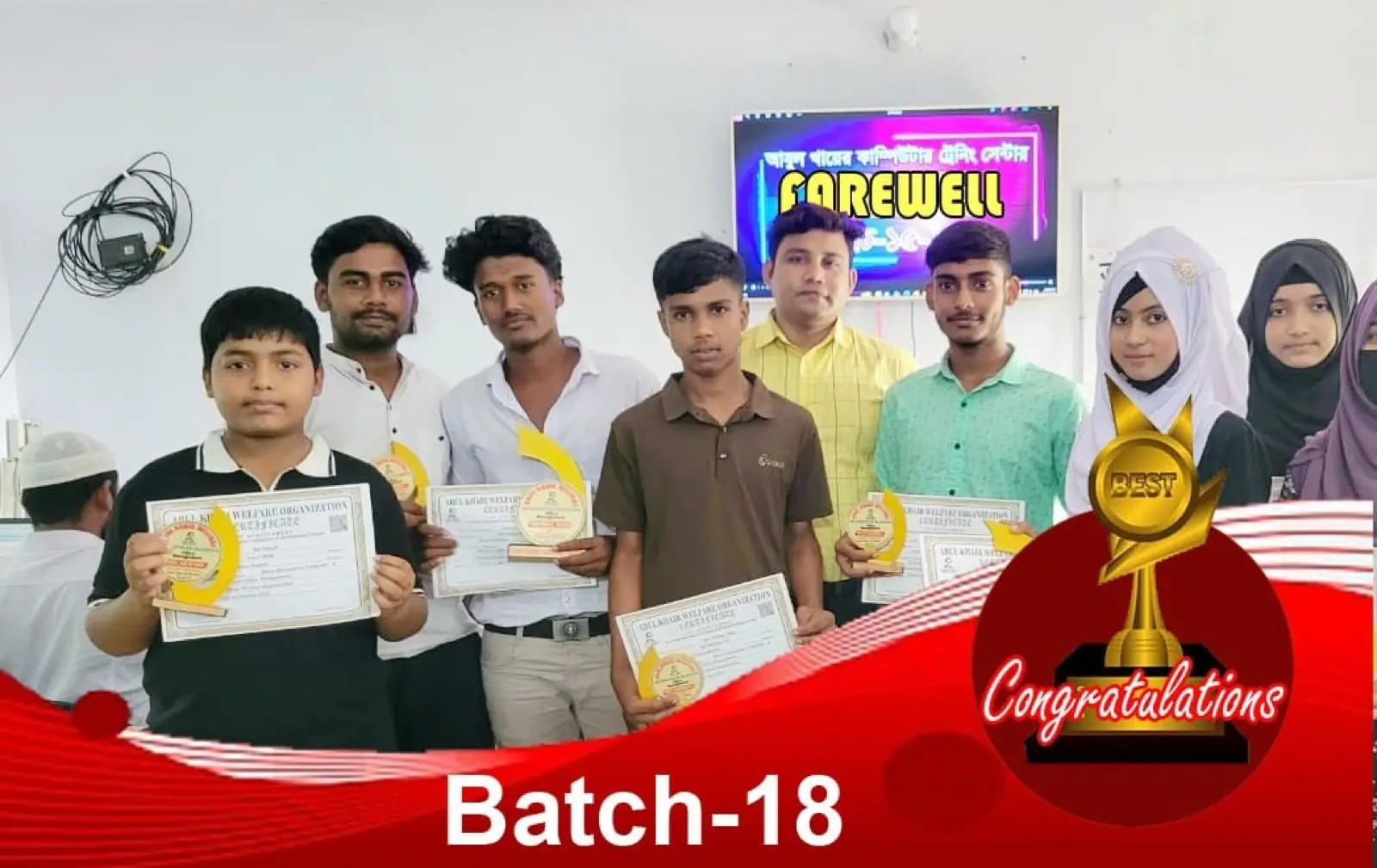
The Abul Khair Computer Training Center runs its Office Applications course batch by batch, with certificates and prizes awarded at the end of each one.
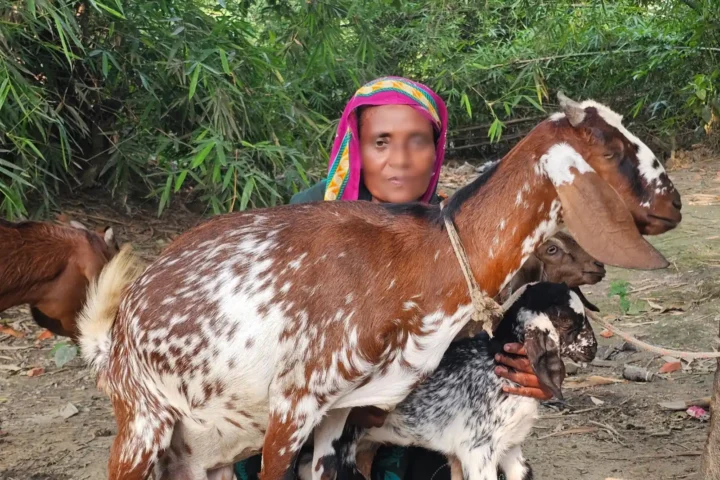
Goats were given to households with no capital of their own, among them Jharna Begum of Khan Bari, Hajir Hati, who now keeps a herd.
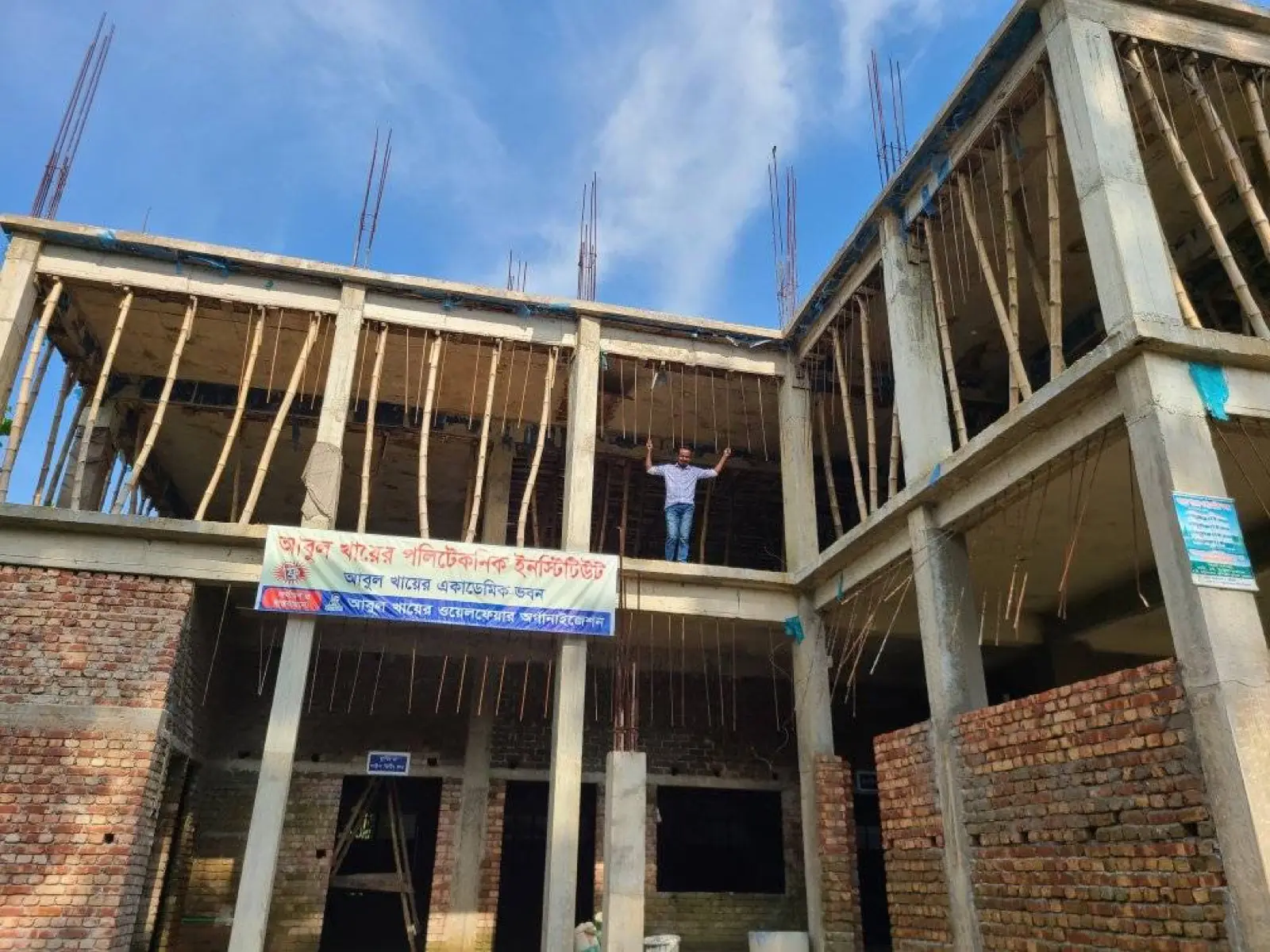
Registered with the Ministry of Social Welfare as Brahman 615/24. Construction started on the Abul Khair Academic Building at Uttar Lakshmipur High School.
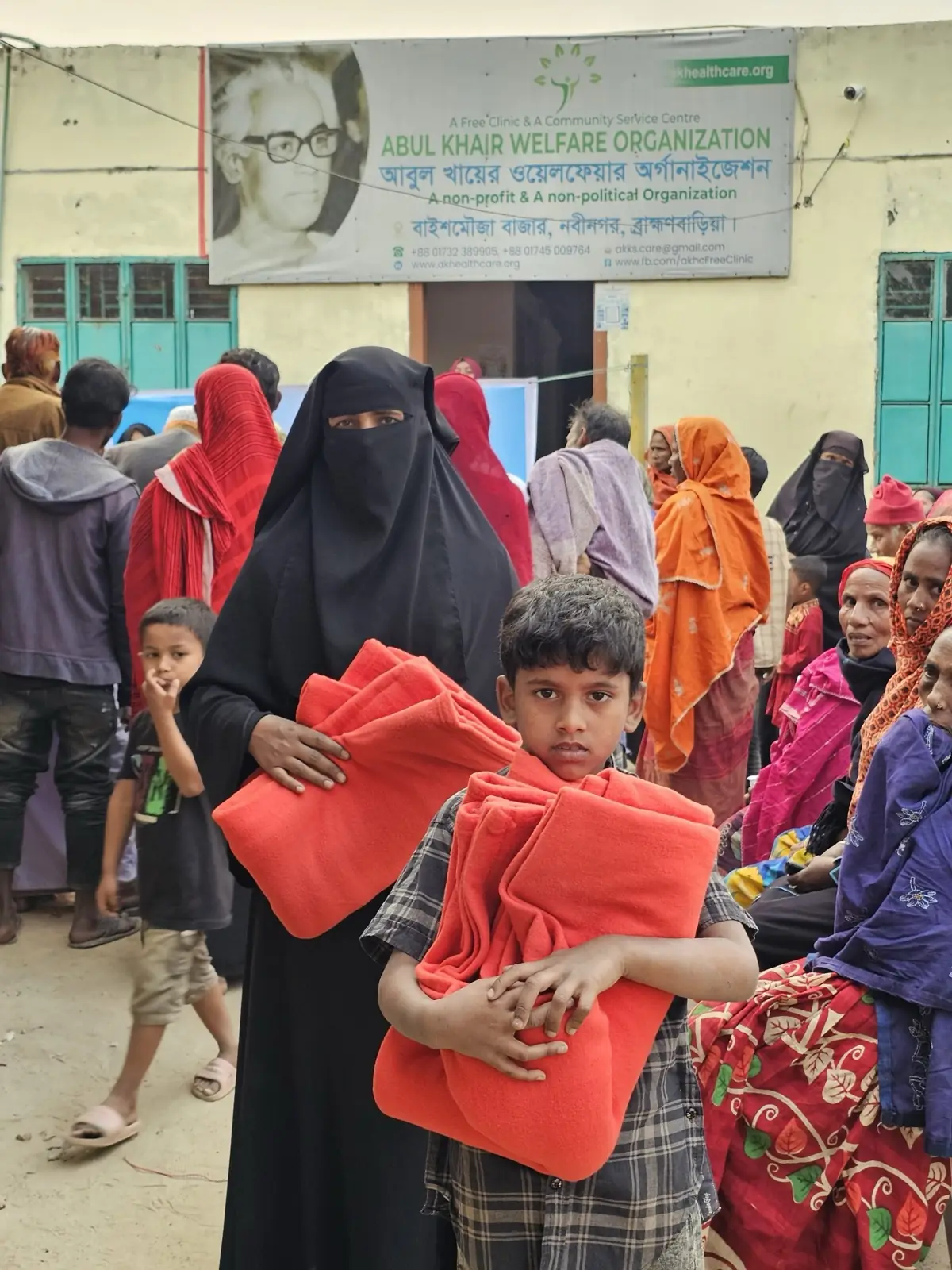
Blankets were handed to 65 families across Krishnanagar and Birgaon Unions during the cold spell.
The 18th batch of Office Applications finished, with prizes for first and second place and for perfect attendance.
A free medical camp treated 79 patients and the organization reported passing 70,000 people treated in seven years.
We operate through both short-term and long-term initiatives while also responding to emergencies when needed. Each project follows a structured action plan, ensuring efficiency and impact. Our approach aligns with national and international standards, maintaining transparency and accountability at every stage.
We categorize our projects into past, present and future initiatives, covering various social welfare sectors. Keeping the three lists separate is what stops the same work being counted twice in two different years.
Each project follows a strategic plan detailing execution steps, involved stakeholders, and the benefits delivered. We ensure that beneficiaries receive maximum support through organized efforts.
We set clear start and end dates for each initiative, with dedicated monitoring at every phase. Regular assessments help us maintain quality, make necessary improvements, and sustain our impact.
Our core principles are integrity, transparency and rigorous monitoring. Every phase of our projects undergoes careful observation and evaluation to ensure they achieve the intended impact, providing maximum benefit to those in need.
These are the aims written into the organization's founding documents. Some are met every week, some are long-term commitments we have only begun.
A public education center giving basic education to underprivileged children and adolescents in the area, alongside sports activities.
Free medical services so that children and adolescents in the area stay in good health, delivered through the clinic and mobile camps.
Meetings, seminars and awareness campaigns held in the villages to prevent child marriage.
Training programs that create self-reliance among poor young people in the area and reduce unemployment.
Training for disadvantaged women that gives them their own income, and an end to the practice of dowry.
Vocational training for disabled individuals so that self-employment becomes possible for them.
Entertainment facilities, care and medicine for elderly people, and adult education for those who want it.
Training programs that create opportunities for work and rehabilitation, so that begging is no longer the only option.
Teaching villagers advanced methods in agriculture, fish farming, poultry, cottage industries, hatcheries and nurseries, through meetings and seminars.
Charitable healthcare centers, free medical camps and maternal health centers, with measures against malnutrition in pregnant mothers and children.
Low-cost solar power and biogas plants and sustainable sanitation systems for rural communities, to protect health and the environment.
Relief materials for distressed and affected communities during famine, floods, cyclones, land erosion, pandemics, drought and excessive rainfall.
Achieving integrated social development for the people of Bangladesh through the optimal use of available and accessible resources, based on partnerships with stakeholders, and providing cohesive and progressive social services.
A world where there is no exploitation or discrimination, and every individual has the opportunity to develop their own potential.
Our organization has collaborated with Ek Ronga Ek Ghuri, a nationally and internationally recognized development organization registered under the Government of Bangladesh.
Each campaign, seminar, community meeting and project implementation involves local volunteer organizations, respected elders, freedom fighters, educators, students, and professionals from all backgrounds. We also keep local government offices, relevant departments and administrative bodies informed about our ongoing activities.
We manage our regular activities through monthly contributions from our members, donations from like-minded friends and well-wishers, and support from volunteers. For ongoing projects, we set a proposed budget and raise funds accordingly to ensure smooth execution.
In times of emergencies, such as natural disasters, accidents or floods, we reach out to the community for additional support. Many individuals join our cause through these appeals, helping us extend our impact further.
For every activity or project, we provide detailed reports to the respective donors and supporters. Additionally, we share updates on our official social media pages and website, where we publish details about projects, campaigns and other programs.
Transparency and integrity are our core strengths, and we are committed to maintaining complete clarity in all our organizational activities.
Many students in our communities struggle to afford basic educational expenses. Through our stipend program we provide financial aid to deserving students from primary to higher secondary level.
In today's world, digital literacy is not optional. To equip students with modern skills we offer free computer training courses at the Abul Khair Computer Training Center, which has now completed eighteen batches of its Office Applications course.
To create skilled professionals and reduce unemployment we provide free technical education in welding and plumbing, electrical and mechanical work, garment sewing, and air conditioning and refrigeration. These courses will be taught in the Abul Khair Academic Building now under construction at Uttar Lakshmipur High School.
HealthcareSeventy-nine patients were seen free of charge at the camp of 1 May 2026, and the organization reported passing 70,000 people treated in seven years.
3 min read
Success StoriesIn 2022 Jharna Begum of Khan Bari, Hajir Hati was given a single goat under AKWO's self-reliance project. She now keeps six.
3 min read
HealthcareFifty-four patients were treated at the Friday clinic: 24 children, 24 women and 6 men, each given a free consultation, diagnosis and essential medication.
3 min read
Help us keep the clinic stocked and the classrooms open.
Registered with the Ministry of Social Welfare, Government of Bangladesh · Reg No. Brahman 615/24
