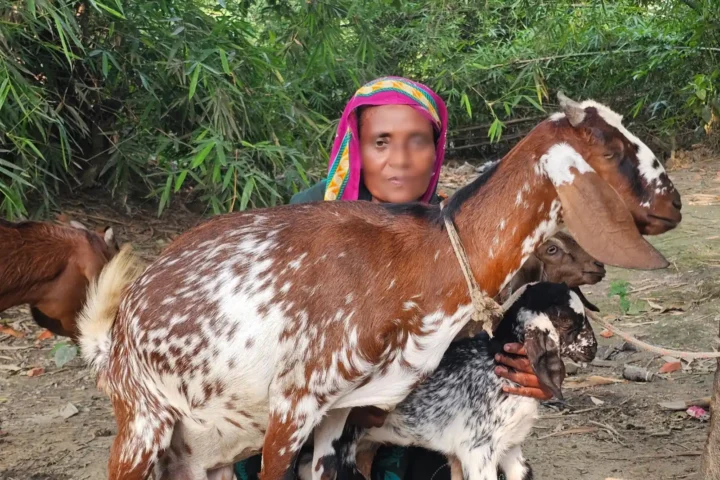
Success StoriesSuccess Story: One Goat, and Jharna Begum’s Fresh Start
In 2022 Jharna Begum of Khan Bari, Hajir Hati was given a single goat under AKWO's self-reliance project. She now keeps six.
About
Marshall M. Hussain, Founder and Chairperson, on why a family known for public service in Brahmanbaria chose to build a free clinic rather than a monument.
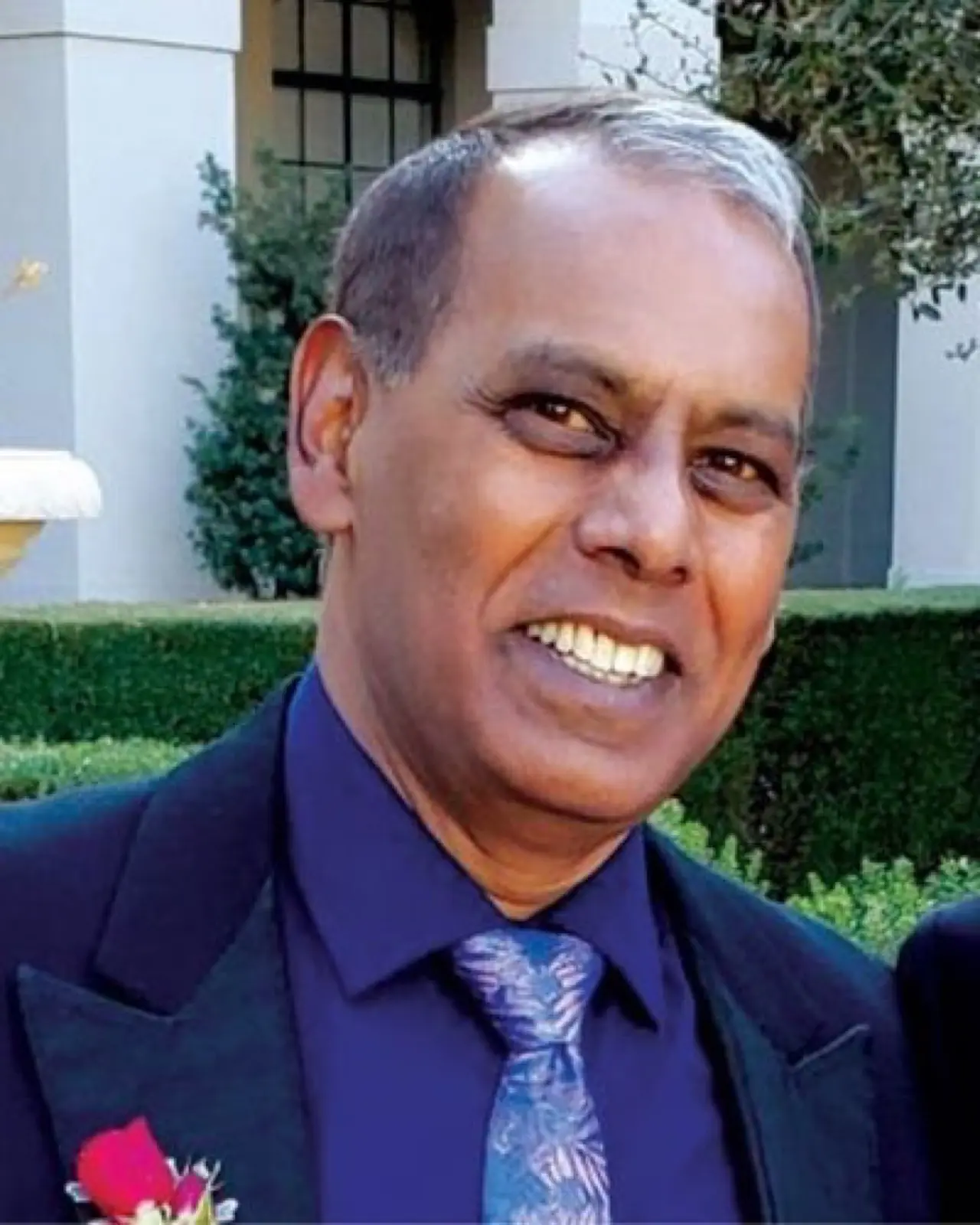
Marshall M. Hussain founded Abul Khair Welfare Organization in 2019 and chairs it today. He named it after his late father, A.K. Rafiqul Hussain, and he set its first rule himself: the organization takes no political position and runs no business for profit. What follows is his own letter to supporters, printed as he wrote it.
We make a living with what we have but a life with what we give.
Our organization was founded with the deep belief and passion to serve that we started our life with. Like so many other noble men, such as Abul Khair Rafiqul Hussain, also known affectionately as ‘Khair Mia’ (ex-MP, Barrister and a national leader), my late father, and my grandfather, Pir Khwaja Mawlana Abdul Wasay, their lives were 110% dedicated to the betterment of the people, especially in the Brahmanbaria district.
They have literally given their lives for the love of their people. My core team and I feel a sense of responsibility for these same people. I feel their hopelessness and love their aspirations, just as my father did. So, my only humble effort is to provide whatever way we can without involving political or business-for-profit ambitions.
We simply want to provide an opportunity to the hardest-working people I know, so they can stand up on their feet, take care of their family, and have a chance for a dignified life. Just as I am inspired, I hope whatever our success is shall inspire our children or a friend, and transform their native home.
With regards,
Marshall M. Hussain, Founder and Chairperson, Abul Khair Welfare Organization.
Three things follow from the letter above, and they are the rules the organization is run by.
First, no politics and no profit. The founder is explicit that the effort is made without political or business-for-profit ambitions. In a district where charitable work is often a route to a candidacy, that is a real constraint, and it is the reason we take no position in local elections and endorse nobody.
Second, dignity rather than dependence. The aim is that people can stand on their own feet, take care of their family and have a chance at a dignified life. That is why the livelihood grants are one-off and outright rather than loans, and why the education program pays for school costs rather than handing out cash.
Third, the work is meant to be handed on. The founder writes that he hopes whatever success there is will inspire a child or a friend to transform their own native home. The organization is deliberately small enough and local enough that somebody else could copy it.
A.K. Rafiqul Hussain, known throughout this region as Khair Mia Sab, was a barrister, a member of parliament and a national leader whose name the organization carries. His father, Pir Khwaja Mawlana Abdul Wasay, was the founder's grandfather. Both men spent their lives in public service in Brahmanbaria, and the clinic at Baishmouja Bazar is the continuation of that work in the plainest form the family could think of.
The founder's letter ends with three families. All three came to the organization at a point where a small sum of money or a single animal was the difference between managing and not managing. Their full stories are published under Success Stories, with their agreement.
Nush'hika Akter is an eighth-grade student. Her father, Md. Nasar Mia, and her mother, Marufa Akter, a homemaker, have always been her inspiration. She dreams of bringing happiness to her father's face when she grows up. She is a beneficiary of Abul Khair Welfare Organization, supported under the stipend program that helps students from primary to higher secondary level stay in school.
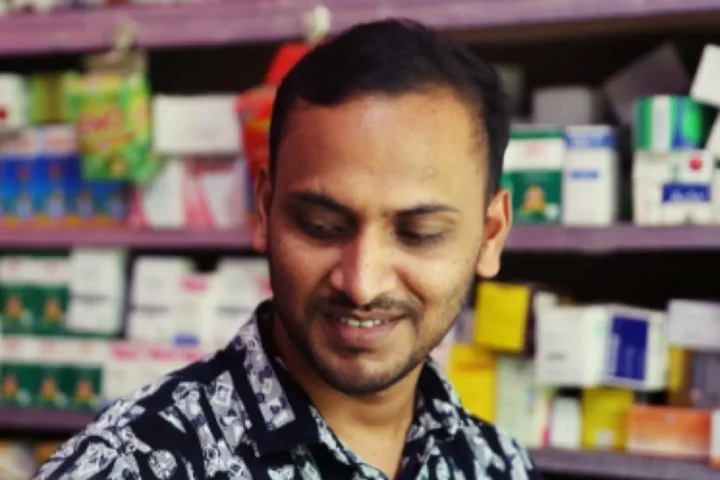
Anhar, a beneficiary of Abul Khair Welfare Organization, has become self-reliant by starting his own pharmacy business with our small assistance. His success brings us joy and pride. The grant was modest and one-off; the shop, the stock and the customers are his.
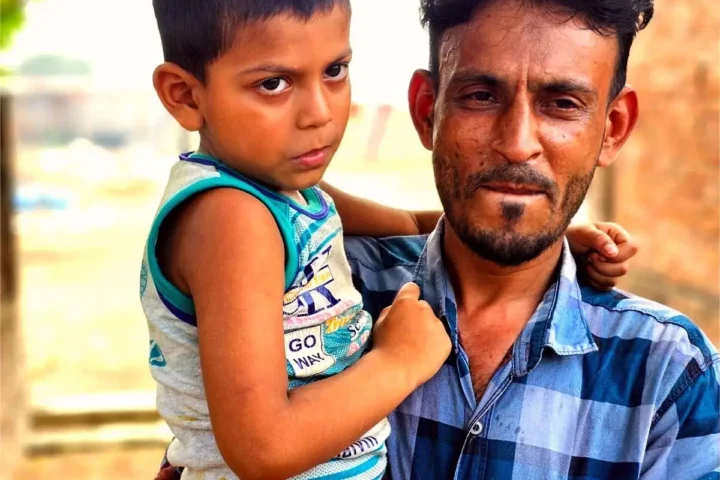
Masud, a father with no wife, is raising his only disabled son alone. With support from Abul Khair Welfare Organization he received a donation to strengthen his chotpoti business and secure a stable future. His resilience inspires us all, and his stall is now the household's regular income.
Success StoriesIn 2022 Jharna Begum of Khan Bari, Hajir Hati was given a single goat under AKWO's self-reliance project. She now keeps six.
3 min read
Success StoriesAnhar became self-reliant by opening his own pharmacy with a small one-off grant from Abul Khair Welfare Organization.
3 min read
Success StoriesMasud is raising his disabled son alone. A donation from AKWO strengthened his chotpoti business and gave the household a steady income.
3 min read
